When hormones shift, your whole body feels the change
Hot flashes that interrupt your day. Sleepless nights that leave you exhausted. Brain fog, mood changes, weight gain, or a loss of vitality that feels unfamiliar. For many women, hormonal changes during perimenopause and menopause don’t arrive quietly: they ripple through nearly every system in the body.
At Biohackr Health, hormone therapy is guided by Dr. Lori Bluvas, Board-Certified OB/GYN and CEO of Biohackr Health, whose decades of experience in women’s health shape a careful, evidence-based approach to bioidentical hormone replacement therapy (BHRT), including hormone pellet therapy. Rather than focusing on symptoms alone, Dr. Bluvas and the Biohackr physician team prioritize comprehensive hormone testing, individualized dosing, and ongoing reassessment to support both symptom relief and long-term health.
Serving women throughout San Francisco, Palo Alto, and the Bay Area, Biohackr Health approaches hormone optimization as a partnership rooted in data, clinical insight, and a deep understanding of how hormonal shifts affect the whole body over time.

- Bioidentical vs. Synthetic Hormones: Understanding the Difference
- Understanding Hormonal Decline in Perimenopause & Menopause
- Menopause & Perimenopause Symptoms: A Whole-Body Experience
- What Is Bioidentical Hormone Pellet Therapy?
- Why Some Women Choose Hormone Pellets
- Hormone Optimization: Beyond Symptom Relief
- Testosterone Therapy for Women
- Timing Matters: The “Window of Opportunity” Theory
- Hormone Therapy & Breast Cancer Risk: What the Data Shows
- What to Expect After Starting Hormone Pellets
- Why Choose Biohackr Health for Hormone Therapy?
- Frequently Asked Questions About Hormone Pellets for Women
Bioidentical vs. Synthetic Hormones: Understanding the Difference
One of the most important distinctions in hormone replacement therapy is whether the hormones used are bioidentical or synthetic.
Bioidentical hormones are structurally identical to the hormones your body naturally produces. Because their molecular structure matches endogenous human hormones, they bind to hormone receptors in a more physiologic way and are metabolized through familiar biological pathways.
At Biohackr Health, hormone pellet therapy is delivered using BioTE® bioidentical hormone pellets, a physician-developed system that has been used in clinical practice for more than 20 years. BioTE is supported by extensive outcomes data, standardized provider training, and ongoing clinical research focused on safety, dosing consistency, and long-term patient monitoring. Pellets allow for treatment without having to do a patch or pill daily.
Synthetic hormones, by contrast, are chemically altered versions of naturally occurring hormones. While they may help relieve symptoms for some patients, their structural differences can influence receptor binding, metabolism, and downstream effects. Many early hormone studies, including the Women’s Health Initiative, evaluated synthetic or non-bioidentical formulations. This is an important distinction when interpreting historical risk data.
Bioidentical hormone pellets allow for:
- Consistent hormone delivery over several months
- Predictable absorption, without daily peaks and troughs
- Personalized dosing, guided by lab results, body composition, and symptoms
At Biohackr Health, the decision to use bioidentical hormone therapy is always individualized, data-driven, and reassessed over time, supporting symptom relief while prioritizing long-term health and safety.
Understanding Hormonal Decline in Perimenopause & Menopause
Hormones influence far more than reproductive health. Estrogen, progesterone, and testosterone play essential roles in brain function, bone density, cardiovascular health, metabolism, skin integrity, hair growth, and emotional regulation.
During perimenopause and menopause, hormone levels don’t decline in a smooth, predictable way. Instead, they fluctuate (sometimes dramatically) before settling into a lower baseline. This hormonal volatility explains why symptoms can feel sudden, inconsistent, and difficult to manage.
Research shows that prolonged estrogen deficiency affects the central nervous system, cardiovascular system, and skeletal health, contributing not only to bothersome symptoms but also to long-term disease risk.1 Earlier menopause and premature ovarian insufficiency have been associated with increased risk of cognitive decline and dementia, underscoring that hormone loss is not purely a quality-of-life issue.2
At Biohackr Health, hormone therapy is never approached casually. It begins with understanding how hormonal decline is affecting your body – today and years from now. We look at you as a whole, evaluating personal medical and family history to assess how to optimize your whole body health, looking at risks of bone, heart, and dementia issues

Menopause & Perimenopause Symptoms: A Whole-Body Experience
Hormonal changes can affect nearly every organ system. While symptoms vary from woman to woman, many experience a constellation of physical, cognitive, and emotional changes as estrogen and progesterone levels shift.
Vasomotor Symptoms
An estimated 75–80% of women experience vasomotor symptoms during menopause, often among the earliest and most disruptive changes.3
- Hot flashes: Sudden waves of heat that spread through the body, often lasting several minutes and occurring unpredictably
- Night sweats: Episodes of intense sweating during sleep that disrupt rest and recovery
Genitourinary Symptoms
Approximately 50–75% of women develop genitourinary symptoms related to estrogen loss.4
- Vaginal dryness and irritation: Reduced estrogen leads to thinning and inflammation of vaginal tissues
- Painful intercourse: Discomfort caused by decreased lubrication and tissue elasticity
- Urinary symptoms: Increased urgency, frequency, or stress incontinence
Cognitive & Psychological Symptoms
Up to 70% of women report cognitive or emotional changes during menopause.5
- Brain fog: Difficulty concentrating, slower recall, or mental fatigue
- Mood changes: Irritability, emotional lability, or low mood
- Anxiety and depressive symptoms: Increased vulnerability during hormonal transition
Sleep Disturbances
Hormonal shifts often disrupt circadian rhythm and sleep architecture.
- Insomnia: Difficulty falling or staying asleep
- Sleep fragmentation: Often related to night sweats or anxiety
- Worsening of sleep apnea or restless leg symptoms in some women
Physical & Metabolic Changes
- Fatigue and low energy
- Weight gain or changes in body composition
- Loss of muscle mass and strength
- Bone density loss, increasing osteoporosis and fracture risk
Sexual Health Changes
- Decreased libido
- Changes in arousal or orgasm
- Reduced comfort during intimacy, often tied to vaginal tissue changes
While these symptoms are common, they are not trivial and they deserve thoughtful, individualized care.
Not sure whether hormone therapy or pellets are right for you? Comprehensive testing is the first step.
What Is Bioidentical Hormone Pellet Therapy?
Bioidentical hormone pellet therapy involves placing small, custom-compounded pellets beneath the skin, typically in the upper gluteal area. These pellets slowly release hormones over time, providing steady absorption without daily dosing.
At Biohackr Health:
- Hormone levels are tested first
- Pellets are bioidentical, structurally identical to endogenous hormones
- Dosing is personalized, not standardized
- Follow-up labs are included to reassess and recalibrate therapy
Pellets are one option within a broader hormone optimization strategy, not a one-size-fits-all solution.
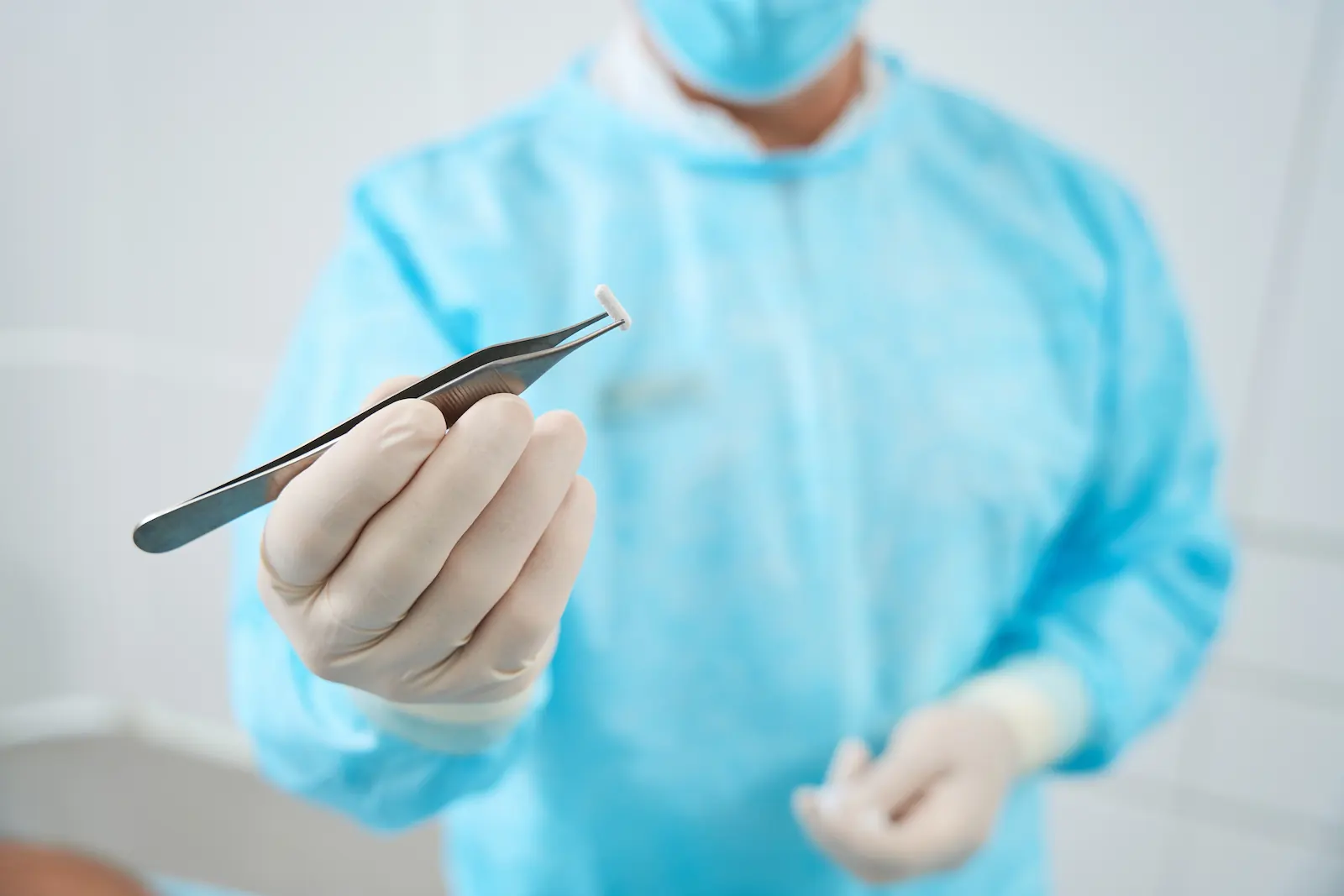
Why Some Women Choose Hormone Pellets
Women may prefer pellets because they:
- Deliver consistent hormone levels without daily fluctuations
- Eliminate the need for daily creams or patches
- Reduce peaks and troughs associated with some delivery methods
Provide predictable dosing over several months
Hormone Optimization: Beyond Symptom Relief
At Biohackr Health, hormone therapy is not framed solely as relief from hot flashes or sleep disruption. Hormones play a protective role throughout the body, particularly as women age.
Brain & Cognitive Health
Estrogen has demonstrated neuroprotective effects, supporting cerebral blood flow, synaptic function, and inflammatory regulation. Research suggests estrogen therapy initiated closer to menopause may help slow cognitive decline and reduce dementia risk in certain populations.6,7
Learn more about the link between estrogen levels and dementia risks here.
Bone Health
Estrogen deficiency accelerates bone resorption, increasing the risk of osteopenia and osteoporosis. Hormone therapy has been shown to reduce fracture risk and preserve bone density when appropriately prescribed.8
Cardiovascular Health
Loss of estrogen adversely affects lipid metabolism and vascular function. While hormone therapy is not prescribed solely to prevent heart disease, cardiovascular health is a critical part of risk-benefit assessment.9
Skin, Hair & Tissue Integrity
Hormones influence collagen production, skin elasticity, hair growth cycles, and wound healing, changes many women notice during menopause. The rate of collagen degradation doubles in menopause without supplementation with HRT.
Testosterone Therapy for Women
Testosterone is often overlooked in women, yet it plays a vital role in:

Libido and sexual satisfaction

Muscle mass and exercise endurance

Energy and motivation

Bone strength and metabolic health
Timing Matters: The “Window of Opportunity” Theory
Emerging research suggests that the timing of hormone therapy initiation may influence outcomes, particularly for brain and heart health. The Window Theory proposes that starting estrogen therapy closer to menopause may offer greater protective benefit than initiating treatment later in life [1].
Importantly:
- This is a hypothesis, not a rigid rule. Current medical guidelines emphasize individualized risk–benefit assessment rather than age-based thresholds.
- There is no universal age cutoff
- Individual cardiovascular, genetic, and metabolic risk factors matter
At Biohackr Health, this conversation is personalized. Tools such as coronary calcium scoring and detailed medical history help determine whether hormone therapy is appropriate and when.
Hormone Therapy & Breast Cancer Risk: What the Data Shows
Hormone therapy and breast cancer risk require nuance, not fear-based messaging.
Long-term data from the Women’s Health Initiative demonstrate:
- Estrogen-only therapy (in women without a uterus) was associated with lower breast cancer incidence and mortality
- Estrogen + progestin therapy showed a slight increase in breast cancer incidence, but no increase in breast cancer mortality10
Additional reviews examining hormone therapy in breast cancer survivors found no increase in breast cancer mortality, with only one study showing increased local recurrence, not distant spread or death.11
Decisions about hormone therapy should consider:
- Absolute vs relative risk
- Personal and family history
- Breast density and screening adherence
- Competing risks such as heart disease, osteoporosis, and dementia
At Biohackr Health, hormone therapy decisions are made collaboratively and grounded in data, transparency, and individual risk tolerance.
What to Expect After Starting Hormone Pellets
Weeks 2–4:
Improvement in hot flashes, night sweats, sleep quality, and mood
Weeks 4–6:
Follow-up labs assess hormone levels and clinical response; dosing adjustments made if needed
Months 2–3:
Cognitive clarity, libido, energy, and physical resilience often continue to improve
Ongoing:
Pellets are typically replaced every 3–4 months, with regular reassessment to avoid over- or under-treatment
Why Choose Biohackr Health for Hormone Therapy?
- Physician-led care by experts in hormone optimization and longevity
- Testing-first approach, never symptom-only prescribing
- Personalized dosing, not protocol medicine
- Included follow-up labs and recalibration
- Multiple delivery options, not pellet-only care
- Preventative health focus, not just symptom suppression
- A broad range of other interventions, like GLPs, creatine, NAD, and more to help with middle age changes.
“Hormone therapy should be a dialogue, not a prescription handed out without context.”
— Dr. Lori Bluvas
Frequently Asked Questions About Hormone Pellets for Women
Are hormone pellets safe?
When prescribed appropriately and monitored regularly, bioidentical hormone pellets have a strong safety profile. At Biohackr Health, safety is supported through comprehensive baseline testing, conservative dosing, and included follow-up labs to avoid over- or under-treatment. Hormone therapy is never initiated without reviewing medical history, risk factors, and long-term health considerations.
How long do hormone pellets last?
Hormone pellets typically last 3–4 months in women. Absorption rates vary based on metabolism, activity level, and body composition, which is why follow-up labs and symptom assessment are essential.
Will hormone pellets cause weight gain?
Hormone pellets do not inherently cause weight gain. In fact, optimizing estrogen and testosterone levels may help improve metabolic efficiency, body composition, and energy levels. Weight changes are influenced by multiple factors, including insulin sensitivity, cortisol, sleep, and nutrition. All of these factors are considered during treatment planning.
Can hormone pellets be adjusted if I don’t feel right?
Yes. Biohackr Health includes post-pellet labs at 4 weeks to assess hormone levels and clinical response. If adjustments are needed, dosing can be recalibrated.
Do hormone pellets hurt?
The pellet insertion procedure is brief and performed under local anesthesia. Most women describe mild soreness at the insertion site for a few days, similar to a bruise. Normal activities can usually be resumed within 24 hours.
Is hormone pellet therapy reversible?
Pellets cannot be removed once inserted, which is why conservative dosing and physician oversight are critical. Biohackr Health mitigates this risk through careful patient selection, lab-driven dosing, and extensive experience with hormone management.
GENERAL HORMONE THERAPY FAQ
Is testosterone safe for women?
Yes, when prescribed appropriately. Testosterone has been used safely in women for decades. At Biohackr Health, testosterone therapy is dosed conservatively and monitored closely to support libido, energy, muscle mass, and bone health without unwanted side effects.
At what age should women consider hormone therapy?
There is no single “right” age. Hormone therapy decisions are based on symptoms, lab values, medical history, and individual risk factors, not age alone. Some women benefit during perimenopause, while others seek support later. This decision is made collaboratively with your health care team. Ideally you start within 10 years of menopause.
Can hormone therapy reduce dementia risk?
Research suggests estrogen plays a neuroprotective role, particularly when hormone therapy is initiated closer to menopause. However, hormone therapy is not prescribed solely to prevent dementia. Individual risk factors including cardiovascular health and genetics must be considered. This is an evolving area of research discussed carefully with each patient.
Do I need to stay on hormone therapy forever?
Not necessarily. Some women choose hormone therapy for symptom relief during menopause, while others continue longer for ongoing quality-of-life and health benefits. Duration is individualized and reassessed regularly based on evolving health needs and preferences.
Sources
1 Ali N, Sohail R, Jaffer SR, Siddique S, Kaya B, Atowoju I, Imran A, Wright W, Pamulapati S, Choudhry F, Akbar A, Khawaja UA. The Role of Estrogen Therapy as a Protective Factor for Alzheimer’s Disease and Dementia in Postmenopausal Women: A Comprehensive Review of the Literature. Cureus. 2023 Aug 6;15(8):e43053. doi: 10.7759/cureus.43053. PMID: 37680393; PMCID: PMC10480684. Available: https://pmc.ncbi.nlm.nih.gov/articles/PMC10480684/. Accessed December 15, 2025.
2 Karamitrou EK, Anagnostis P, Vaitsi K, Athanasiadis L, Goulis DG. Early menopause and premature ovarian insufficiency are associated with increased risk of dementia: A systematic review and meta-analysis of observational studies. Maturitas. 2023 Oct;176:107792. doi: 10.1016/j.maturitas.2023.107792. Epub 2023 Jun 23. PMID: 37393661. Available: https://pubmed.ncbi.nlm.nih.gov/37393661/. Accessed December 15, 2025.
3 Peacock K, Carlson K, Ketvertis KM. Menopause. [Updated 2023 Dec 21]. In: StatPearls [Internet]. Treasure Island (FL): StatPearls Publishing; 2024 Jan-. Available from: https://www.ncbi.nlm.nih.gov/books/NBK507826/. Accessed December 15, 2025.
4 Peacock K, Carlson K, Ketvertis KM. Menopause. [Updated 2023 Dec 21]. In: StatPearls [Internet]. Treasure Island (FL): StatPearls Publishing; 2024 Jan-. Available from: https://www.ncbi.nlm.nih.gov/books/NBK507826/. Accessed December 15, 2025.
5 Soares CN. Depression and Menopause: An Update on Current Knowledge and Clinical Management for this Critical Window. Med Clin North Am. 2019 Jul;103(4):651-667. doi: 10.1016/j.mcna.2019.03.001. PMID: 31078198. Available: https://pubmed.ncbi.nlm.nih.gov/31078198/. Accessed December 15, 2025.
6 Ali N, Sohail R, Jaffer SR, Siddique S, Kaya B, Atowoju I, Imran A, Wright W, Pamulapati S, Choudhry F, Akbar A, Khawaja UA. The Role of Estrogen Therapy as a Protective Factor for Alzheimer’s Disease and Dementia in Postmenopausal Women: A Comprehensive Review of the Literature. Cureus. 2023 Aug 6;15(8):e43053. doi: 10.7759/cureus.43053. PMID: 37680393; PMCID: PMC10480684. Available: https://pmc.ncbi.nlm.nih.gov/articles/PMC10480684/. Accessed December 15, 2025.
7 Karamitrou EK, Anagnostis P, Vaitsi K, Athanasiadis L, Goulis DG. Early menopause and premature ovarian insufficiency are associated with increased risk of dementia: A systematic review and meta-analysis of observational studies. Maturitas. 2023 Oct;176:107792. doi: 10.1016/j.maturitas.2023.107792. Epub 2023 Jun 23. PMID: 37393661. Available: https://pubmed.ncbi.nlm.nih.gov/37393661/. Accessed December 15, 2025.
8 Ali N, Sohail R, Jaffer SR, Siddique S, Kaya B, Atowoju I, Imran A, Wright W, Pamulapati S, Choudhry F, Akbar A, Khawaja UA. The Role of Estrogen Therapy as a Protective Factor for Alzheimer’s Disease and Dementia in Postmenopausal Women: A Comprehensive Review of the Literature. Cureus. 2023 Aug 6;15(8):e43053. doi: 10.7759/cureus.43053. PMID: 37680393; PMCID: PMC10480684. Available: https://pmc.ncbi.nlm.nih.gov/articles/PMC10480684/. Accessed December 15, 2025.
9 Ali N, Sohail R, Jaffer SR, Siddique S, Kaya B, Atowoju I, Imran A, Wright W, Pamulapati S, Choudhry F, Akbar A, Khawaja UA. The Role of Estrogen Therapy as a Protective Factor for Alzheimer’s Disease and Dementia in Postmenopausal Women: A Comprehensive Review of the Literature. Cureus. 2023 Aug 6;15(8):e43053. doi: 10.7759/cureus.43053. PMID: 37680393; PMCID: PMC10480684. Available: https://pmc.ncbi.nlm.nih.gov/articles/PMC10480684/. Accessed December 15, 2025.
10 Chlebowski RT, Anderson GL, Aragaki AK, Manson JE, Stefanick ML, Pan K, Barrington W, Kuller LH, Simon MS, Lane D, Johnson KC, Rohan TE, Gass MLS, Cauley JA, Paskett ED, Sattari M, Prentice RL. Association of Menopausal Hormone Therapy With Breast Cancer Incidence and Mortality During Long-term Follow-up of the Women’s Health Initiative Randomized Clinical Trials. JAMA. 2020 Jul 28;324(4):369-380. doi: 10.1001/jama.2020.9482. PMID: 32721007; PMCID: PMC7388026. Available: https://pmc.ncbi.nlm.nih.gov/articles/PMC7388026/. Accessed December 15, 2025.
11 Bluming AZ. Hormone Replacement Therapy After Breast Cancer: It Is Time. Cancer J. 2022 May-Jun 01;28(3):183-190. doi: 10.1097/PPO.0000000000000595. PMID: 35594465. Available: https://pubmed.ncbi.nlm.nih.gov/35594465/. Accessed December 15, 2025.