Menopause and Perimenopause: When Hormonal Shifts Affect the Whole Body
Hot flashes that interrupt your day. Sleepless nights that leave you depleted. Brain fog, mood changes, weight gain, or a loss of vitality that feels unfamiliar. For many women, the hormonal transitions of perimenopause and menopause do not occur quietly — they influence nearly every system in the body.
At Biohackr Health, menopause care is guided by Dr. Lori Bluvas, Board-Certified OB/GYN and CEO of Biohackr Health, whose decades of experience in women’s health shape a thoughtful, evidence-based approach to hormone optimization for women. Rather than addressing symptoms in isolation, Biohackr prioritizes comprehensive testing, individualized treatment strategies, and ongoing reassessment to support both quality of life and long-term health.
Serving women throughout San Francisco, Palo Alto, and the Bay Area, Biohackr Health approaches menopause and perimenopause as a dynamic physiologic transition — one that deserves personalized, data-driven medical care.

- Understanding Perimenopause and Menopause
- Common Menopause & Perimenopause Symptoms
- Why Hormone Care Matters Beyond Symptom Relief
- Biohackr Health’s Personalized Approach to Menopause Care
- Timing Hormone Therapy: The “Window of Opportunity”
- Hormone Therapy Safety: What the Research Shows
- Why Choose Biohackr Health for Menopause & Perimenopause Care
- Frequently Asked Questions About Menopause & Perimenopause
Understanding Perimenopause and Menopause
Perimenopause is the transitional phase leading up to menopause, often beginning in a woman’s 40s — and sometimes earlier. During this time, estrogen and progesterone levels fluctuate unpredictably before eventually declining. Menopause is defined as 12 consecutive months without a menstrual period.1
Hormones such as estrogen, progesterone, and testosterone influence far more than reproduction alone. They play essential roles in:
- Brain function and cognition2
- Bone density and fracture prevention
- Cardiovascular and metabolic health
- Muscle mass and body composition
- Skin, hair, and connective tissue integrity
- Emotional regulation and sleep quality3
Research shows that prolonged estrogen deficiency affects multiple organ systems, contributing not only to disruptive symptoms but also to increased long-term health risks, including osteoporosis and cognitive decline.4,5,6

Common Menopause & Perimenopause Symptoms
Hormonal changes can affect nearly every organ system. While symptoms vary between individuals, many women experience a combination of physical, cognitive, and emotional changes during this transition.
Vasomotor Symptoms
Approximately 75-80% of women experience vasomotor symptoms during menopause.7
- Hot flashes: Sudden waves of heat that may last several minutes and occur unpredictably
- Night sweats: Intense sweating during sleep that disrupts rest and recovery
Genitourinary Symptoms
An estimated 50-75% of women develop genitourinary symptoms related to estrogen decline.8
- Vaginal dryness and irritation
- Painful intercourse due to tissue thinning and reduced lubrication
- Urinary urgency, frequency, or stress incontinence
Cognitive & Psychological Symptoms
Up to 70% of women report cognitive or emotional changes during menopause.9
- Brain fog or difficulty concentrating
- Mood changes, irritability, or emotional lability
- Increased anxiety or depressive symptoms
Sleep Disturbances
Sleep disruption is common during menopausal transition.10
- Difficulty falling or staying asleep
- Sleep fragmentation related to night sweats or anxiety
- Worsening of conditions such as sleep apnea or restless legs in some women
Physical & Metabolic Changes
- Persistent fatigue and low energy
- Weight gain or changes in body composition
- Loss of muscle mass and strength
- Accelerated bone density loss, increasing fracture risk11
Sexual Health Changes
- Decreased libido
- Changes in arousal or orgasm
- Dryness and difficulty with lubrication
- Reduced comfort during intimacy12
While these symptoms are common, they are not trivial — and they are not something women simply need to “push through.”
Why Hormone Care Matters Beyond Symptom Relief
At Biohackr Health, menopause care is not framed solely around alleviating hot flashes or sleep disruption. Hormones play a protective role throughout the body, particularly as women age.
Brain & Cognitive Health
Estrogen demonstrates neuroprotective effects, supporting cerebral blood flow, synaptic function, and inflammatory regulation. Evidence suggests that estrogen therapy initiated closer to menopause may help slow cognitive decline and reduce dementia risk in certain populations.13
Bone Health
Estrogen deficiency accelerates bone resorption, increasing the risk of osteopenia and osteoporosis. Appropriately prescribed hormone therapy has been shown to preserve bone density and reduce fracture risk.14
Cardiovascular Health
Loss of estrogen adversely affects lipid metabolism and vascular function. While hormone therapy is not prescribed solely to prevent cardiovascular disease, cardiovascular risk assessment is a critical component of individualized care.15
Skin, Hair & Tissue Integrity
Hormones influence collagen production, skin elasticity, hair growth cycles, and wound healing — changes many women notice during menopause.16
Biohackr Health's Personalized Approach to Menopause Care
Biohackr Health takes a fundamentally different approach from standard menopause care models that rely on symptom checklists alone.
At Biohackr, care begins with comprehensive testing, which may include:
- Estradiol, progesterone, and testosterone levels
- Thyroid function testing
- Metabolic and cardiovascular markers
- Inflammatory and nutritional indicators
Treatment is then personalized, with dosing strategies tailored to lab results, symptoms, body composition, and evolving clinical response. Therapy is reassessed regularly — because hormone needs change over time.
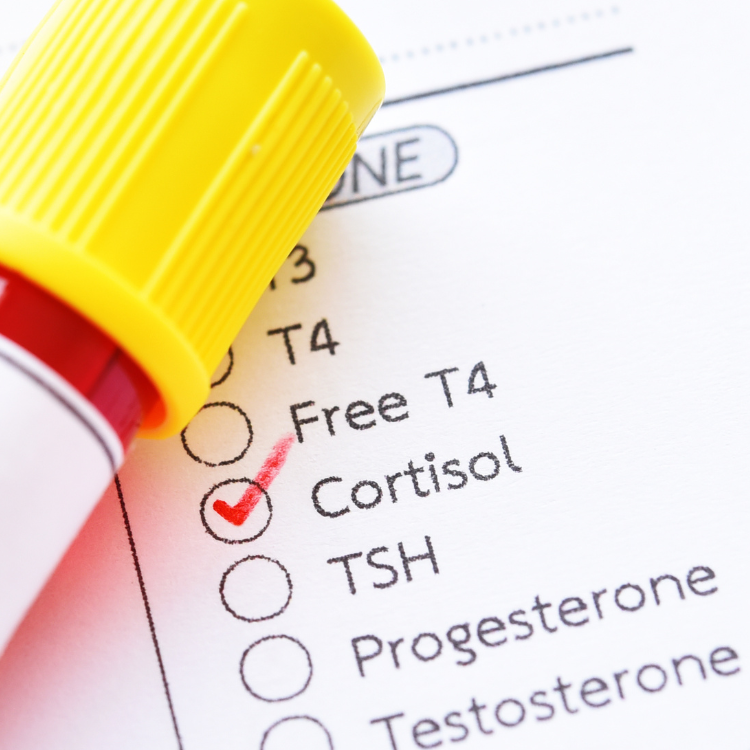
Timing Hormone Therapy: The "Window of Opportunity"
Emerging research suggests that the timing of hormone therapy initiation may influence outcomes, particularly for brain health. The Window of Opportunity hypothesis proposes that starting estrogen therapy closer to menopause may provide greater protective benefit than initiating treatment later in life.17
Important context:
- This is a hypothesis, not a rigid rule
- There is no universal age cutoff
- Individual cardiovascular, genetic, and metabolic risk factors matter
At Biohackr Health, this is a personalized medical discussion — not a one-size-fits-all recommendation.
Hormone Therapy Safety: What the Research Shows
Hormone therapy requires nuance — not fear-based messaging.
Long-term follow-up data from the Women’s Health Initiative demonstrate that outcomes vary depending on hormone type and formulation.18
- Estrogen-only therapy (for women without a uterus) was associated with lower breast cancer incidence and mortality
- Estrogen plus progestin therapy showed a slight increase in breast cancer incidence, but no increase in breast cancer mortality
Additional reviews examining hormone therapy in women with a history of breast cancer found no increase in breast cancer mortality, with only one study showing increased local recurrence — not distant spread or death.19
At Biohackr Health, hormone therapy decisions consider:
- Absolute vs. relative risk
- Personal and family history
- Breast density and screening practices
- Competing risks such as osteoporosis, cardiovascular disease, and dementia
Why Choose Biohackr Health for Menopause & Perimenopause Care
- Physician-led care guided by women’s health experts
- Testing-first approach — never symptom-only prescribing
- Personalized dosing, not protocol medicine
- Ongoing reassessment and recalibration
- Preventative, longevity-focused framework
- Transparent, collaborative decision-making
“Hormone therapy should be a dialogue — not a prescription handed out without context.” —
Dr. Lori Bluvas
Frequently Asked Questions About Menopause & Perimenopause
How do I know if I’m in perimenopause or menopause?
Perimenopause is marked by fluctuating hormones and emerging symptoms, while menopause is defined as 12 months without a menstrual period. Hormone testing and clinical history help clarify where you are in the transition.
Is hormone therapy appropriate for everyone?
No. Hormone therapy is individualized and depends on medical history, risk factors, and symptom severity. Biohackr Health evaluates candidacy carefully before making recommendations.
How soon do symptoms improve with hormone therapy?
Some symptoms, such as hot flashes or sleep disruption, may improve within weeks. Other benefits — including cognitive clarity and energy — often develop gradually over several months.
Is hormone therapy only for symptom relief?
No. Hormone therapy may also support bone density, cognitive health, heart health, and metabolic function when appropriately prescribed and monitored.
Is hormone therapy safe?
Safety depends on timing, formulation, delivery method, and individual risk profile. Modern data supports nuanced, personalized use rather than blanket avoidance.
Schedule Your Consultation
If menopause or perimenopause is affecting how you feel — physically, mentally, or emotionally — you don’t have to navigate it alone. Biohackr Health provides thoughtful, evidence-based menopause and perimenopause care for women across San Francisco, Palo Alto, and the Bay Area.
Sources
1 Mayo Clinic. Menopause. Available: https://www.mayoclinic.org/diseases-conditions/menopause/symptoms-causes/syc-20353397. Accessed February 10, 2026.
2 Ali N, Sohail R, Jaffer SR, Siddique S, Kaya B, Atowoju I, Imran A, Wright W, Pamulapati S, Choudhry F, Akbar A, Khawaja UA. The Role of Estrogen Therapy as a Protective Factor for Alzheimer’s Disease and Dementia in Postmenopausal Women: A Comprehensive Review of the Literature. Cureus. 2023 Aug 6;15(8):e43053. doi: 10.7759/cureus.43053. PMID: 37680393; PMCID: PMC10480684. Available: https://pmc.ncbi.nlm.nih.gov/articles/PMC10480684/. Accessed February 10, 2026.
3 Peacock K, Carlson K, Ketvertis KM. Menopause. [Updated 2023 Dec 21]. In: StatPearls [Internet]. Treasure Island (FL): StatPearls Publishing; 2025 Jan-. Available from: https://www.ncbi.nlm.nih.gov/books/NBK507826/. Accessed February 10, 2026.
4 Cleveland Clinic. Hormone Therapy for Menopause Symptoms. Available: https://my.clevelandclinic.org/health/treatments/15245-hormone-therapy-for-menopause-symptoms. Accessed February 10, 2026.
5 Ali N, Sohail R, Jaffer SR, Siddique S, Kaya B, Atowoju I, Imran A, Wright W, Pamulapati S, Choudhry F, Akbar A, Khawaja UA. The Role of Estrogen Therapy as a Protective Factor for Alzheimer’s Disease and Dementia in Postmenopausal Women: A Comprehensive Review of the Literature. Cureus. 2023 Aug 6;15(8):e43053. doi: 10.7759/cureus.43053. PMID: 37680393; PMCID: PMC10480684. Available: https://pmc.ncbi.nlm.nih.gov/articles/PMC10480684/. Accessed February 10, 2026.
6 Peacock K, Carlson K, Ketvertis KM. Menopause. [Updated 2023 Dec 21]. In: StatPearls [Internet]. Treasure Island (FL): StatPearls Publishing; 2025 Jan-. Available from: https://www.ncbi.nlm.nih.gov/books/NBK507826/. Accessed February 10, 2026.
7 Cleveland Clinic. Hormone Therapy for Menopause Symptoms. Available: https://my.clevelandclinic.org/health/treatments/15245-hormone-therapy-for-menopause-symptoms. Accessed February 10, 2026.
8 Cleveland Clinic. Hormone Therapy for Menopause Symptoms. Available: https://my.clevelandclinic.org/health/treatments/15245-hormone-therapy-for-menopause-symptoms. Accessed February 10, 2026.
9 Ali N, Sohail R, Jaffer SR, Siddique S, Kaya B, Atowoju I, Imran A, Wright W, Pamulapati S, Choudhry F, Akbar A, Khawaja UA. The Role of Estrogen Therapy as a Protective Factor for Alzheimer’s Disease and Dementia in Postmenopausal Women: A Comprehensive Review of the Literature. Cureus. 2023 Aug 6;15(8):e43053. doi: 10.7759/cureus.43053. PMID: 37680393; PMCID: PMC10480684. Available: https://pmc.ncbi.nlm.nih.gov/articles/PMC10480684/. Accessed February 10, 2026.
10 Mayo Clinic. Menopause. Available: https://www.mayoclinic.org/diseases-conditions/menopause/symptoms-causes/syc-20353397. Accessed February 10, 2026
11 Peacock K, Carlson K, Ketvertis KM. Menopause. [Updated 2023 Dec 21]. In: StatPearls [Internet]. Treasure Island (FL): StatPearls Publishing; 2025 Jan-. Available from: https://www.ncbi.nlm.nih.gov/books/NBK507826/. Accessed February 10, 2026.
12 Mayo Clinic. Menopause. Available: https://www.mayoclinic.org/diseases-conditions/menopause/symptoms-causes/syc-20353397. Accessed February 10, 2026.
13 Ali N, Sohail R, Jaffer SR, Siddique S, Kaya B, Atowoju I, Imran A, Wright W, Pamulapati S, Choudhry F, Akbar A, Khawaja UA. The Role of Estrogen Therapy as a Protective Factor for Alzheimer’s Disease and Dementia in Postmenopausal Women: A Comprehensive Review of the Literature. Cureus. 2023 Aug 6;15(8):e43053. doi: 10.7759/cureus.43053. PMID: 37680393; PMCID: PMC10480684. Available: https://pmc.ncbi.nlm.nih.gov/articles/PMC10480684/. Accessed February 10, 2026.
14 Peacock K, Carlson K, Ketvertis KM. Menopause. [Updated 2023 Dec 21]. In: StatPearls [Internet]. Treasure Island (FL): StatPearls Publishing; 2025 Jan-. Available from: https://www.ncbi.nlm.nih.gov/books/NBK507826/. Accessed February 10, 2026.
15 Peacock K, Carlson K, Ketvertis KM. Menopause. [Updated 2023 Dec 21]. In: StatPearls [Internet]. Treasure Island (FL): StatPearls Publishing; 2025 Jan-. Available from: https://www.ncbi.nlm.nih.gov/books/NBK507826/. Accessed February 10, 2026.
16 Peacock K, Carlson K, Ketvertis KM. Menopause. [Updated 2023 Dec 21]. In: StatPearls [Internet]. Treasure Island (FL): StatPearls Publishing; 2025 Jan-. Available from: https://www.ncbi.nlm.nih.gov/books/NBK507826/. Accessed February 10, 2026.
17 Ali N, Sohail R, Jaffer SR, Siddique S, Kaya B, Atowoju I, Imran A, Wright W, Pamulapati S, Choudhry F, Akbar A, Khawaja UA. The Role of Estrogen Therapy as a Protective Factor for Alzheimer’s Disease and Dementia in Postmenopausal Women: A Comprehensive Review of the Literature. Cureus. 2023 Aug 6;15(8):e43053. doi: 10.7759/cureus.43053. PMID: 37680393; PMCID: PMC10480684. Available: https://pmc.ncbi.nlm.nih.gov/articles/PMC10480684/. Accessed February 10, 2026.
18 Chlebowski RT, Anderson GL, Aragaki AK, Manson JE, Stefanick ML, Pan K, Barrington W, Kuller LH, Simon MS, Lane D, Johnson KC, Rohan TE, Gass MLS, Cauley JA, Paskett ED, Sattari M, Prentice RL. Association of Menopausal Hormone Therapy With Breast Cancer Incidence and Mortality During Long-term Follow-up of the Women’s Health Initiative Randomized Clinical Trials. JAMA. 2020 Jul 28;324(4):369-380. doi: 10.1001/jama.2020.9482. PMID: 32721007; PMCID: PMC7388026. Available: https://pmc.ncbi.nlm.nih.gov/articles/PMC7388026/. Accessed February 10, 2026.
19 Bluming AZ. Hormone Replacement Therapy After Breast Cancer: It Is Time. Cancer J. 2022 May-Jun 01;28(3):183-190. doi: 10.1097/PPO.0000000000000595. PMID: 35594465. Available: https://pubmed.ncbi.nlm.nih.gov/35594465/. Accessed February 10, 2026.