
HOW IS VE/VO2 RATIO CALCULATED?
WHY DO WE CARE ABOUT THE VE/VO2 RATIO?
- You want a low ratio. Lower VE/VO2 ratio means you are being efficient. Less ventilation is needed to obtain the same oxygen.
- A high VE/VO2 ratio means you are not efficient. What would cause this? A perfusion mismatch, alveolar dead space (the lung alveoli are like little balloons. When you breathe in if they don’t open air exchange cannot take place), or early metabolic acidosis.
- The ratio goes higher as you exercise. It increases when you hit the anaerobic threshold (going from aerobic to anaerobic activity), where increased lactate causes you to hyperventilate- breathing faster to buffer the increased acid.
- The ratio helps you identify safe and effective training zones. Knowing what your threshold is helps you exercise in a productive zone.
- Need surgery on your lung or heart? Knowing the ratio and your VO2 max helps to evaluate functional capacity and predict post operative results if you have heart failure or need a lung resection.
SMOKING IS BAD FOR YOUR LUNGS.
I know you can expect smoking has an effect on your lung function, but with the explosion of vaping and pot use (which many think erroneously is “healthier”), it is important to explain how it affects your lungs.
- Chronic smoking or exposure to smoke narrows the small airways of the lung. With less surface area for gas exchange, it is difficult to get oxygen in and carbon dioxide out.
- It reduces lung compliance. With each breath your lung expands like a balloon. Chronic smoking leads to the balloon being less stretchy- it is harder to bring in air, and all the airways may not open.
- Inflammation, mucus, and oxidative injury makes it hard to exchange gases.
- Respiratory muscle strength is weaker.
- There is less increase in VE with exercise.
- There is lower oxygen uptake (VO2 max will be lower), with earlier onset of feeling breathless and reduced exercise tolerance.
- This is dose dependent. The longer and more you smoke, which we call “pack years,” the bigger the decline in VE and lung function
WHAT DISEASE PROCESSES INCREASE YOUR VE/VO2 RATIO?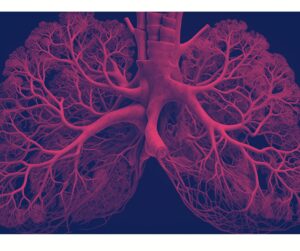
- Heart failure
- Chronic lung disease
- Impaired oxygen transport
CAN YOU IMPROVE YOUR VE?
Yes. VE = your breathing rate x the amount you take in one breath
- Breathe faster. Take this with a grain of salt, as you don’t want to hyperventilate with rapid, shallow breathing. But breathing faster will give more air exchange, as you see with exercise, anxiety and fever
- Take deeper breaths. This increases the tidal volume, the volume of air per breath. You can train to do this- “inpsiratory muscle training,” controlled deep breathing exercises, or diaphragmatic breathing techniques.
- Increase your respiratory muscles strength. What muscles help you breathe? The diaphragm and intercostal (rib) muscles.
- Optimize posture. Standing or sitting upright helps the lungs expand.
- Relax. Do you have restriction due to tension? If so, relaxing may increase for VE. Try doing conscious breathing exercises.
HOW CAN BIOHACKR HEALTH HELP?
TEST. WE LOVE OUR VO2 MAX TEST. It gives so much incredible information. VO2 max is a critical indicator of your heart and lung health and is known to be a direct indicator of longevity. Understand where you are relative to others your age, see what your ideal work out zone is, and monitor your improvement with intervention.
Sign up for our program. You can monitor your improvements over the course of a year. Particularly for those on weight and exercise health journeys, we think this is a good thing to track.