
.
I remember reading a study a long time ago looking at supplements. It was a giant study of thousands of people over the course of decades. They found those who took supplements actually had a HIGHER morbidity and mortality than those who did not. The only two exceptions to this rule? Calcium and Vitamin D.
I take issue with that study, as it is too simplistic. Who was taking what supplement? What was the supplement quality? The amount? We do not advocate you take supplements blindly- we want you to test, if you are deficient supplement and treat based on your findings and then retest.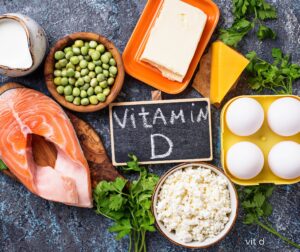
But Vitamin D deficiency is common.
Whether it is our indoor lifestyle, wearing sunscreen, or not eating enough salmon, sardines, and eggs, most of us should be supplementing Vitamin D.
Why do we care? Why is D so important?
- Bone Health: Vitamin D helps the body absorb calcium, crucial for building and maintaining strong bones. It can reduce the risk of osteoporosis and fractures.
- Immune System Support: Vitamin D plays a role in supporting the immune system, helping to fight off infections and reduce the risk of chronic diseases.
- Mood Regulation: Adequate vitamin D levels have been linked to improved mood and reduced risk of depression. It may help alleviate symptoms of seasonal affective disorder (SAD).
- Muscle Function: Vitamin D is important for muscle function and can help prevent muscle weakness and pain.
- Cardiovascular Health: Some studies suggest that vitamin D may contribute to heart health by helping to regulate blood pressure and reduce inflammation. There are clear associations with low D levels and diabetes risk. The literature reports strong associations between T1D and low circulating vitamin D. There is also high-level (systematic reviews, meta-analyses) evidence that adequate vitamin D status in early life reduces T1D risk. Other studies have shown it lowers the risk of Type 2 diabetes.
- Cancer Prevention: There is evidence to suggest that adequate vitamin D levels may help reduce the risk of certain types of cancer, including breast, prostate, and colon cancer. Vitamin D supplementation reduced the risk of cancer death by 16% in a recent meta analysis looking at D.
- Weight Management: Some research indicates that vitamin D may play a role in weight management and the prevention of obesity. We just did a blog of a study which showed D levels helped improve excess calories being made into muscle, not fat. (increasing leptin levels and sensitivity and decreasing myostatin levels)
To see the data on studies, you can read original published peer reviewed articles here: Vitamin D benefits.
How can Biohackr Health help?
TEST. Find out your D level. Then TREAT. We have a high quality oral supplement of 500oIU, NSF certified. Shop. We also have IV therapy for those with high deficiencies. RETEST. Again, this is a place where more is not better if you are not in the normal range. Vitamin D is fat soluble, so levels can build up as it is stored in the body.